While I don’t do it often, if I do cave-in to hunger at the expense of my
health, usually because I fished late and everything is closed, I slide into
Burger King, sheepishly, where, as someone who doesn’t like onions, or
multiple condiments on my burger, or whatever it is, I can have it my way,
not the way someone else thinks I should have it…
After years of fishing mainstream off-the-shelf fly rods almost
exclusively, and driven by my recent migration away from graphite in favor
of glass, as well as the notably smaller offering in regard to the latter,
custom products are now a valid consideration and option for me.
As a former fly shop owner, the custom rod thing runs counter to what I
used to say to my customers. But in fairness, this was due to some
legitimate concerns regarding custom rods such as warranties, wait-time, and
the fact that while the big rod makers rarely screw up, there are
unfortunately some folks out there building rods who shouldn’t
be.
As noted in an earlier article on
The Fiberglass Manifesto, at 63-years-young, and three years younger than when I wrote it, I started
fly fishing with glass rods, so my recent transition is as much about coming
back to glass as it is going away from graphite. And to be clear, the
glass rods of my youth were notably inferior to the glass rods available
today.
While all of my graphite fly rods are off-the-shelf products, I’ve been
taking a Burger King view of things lately when it comes to glass fly
rods. With all due respect to the numerous outstanding fly rod
companies out there, there is just something special about having a rod
built to your own specifications. And in some cases, it’s the only way
to get what you want…
I edged my way into the custom glass game with two rods from
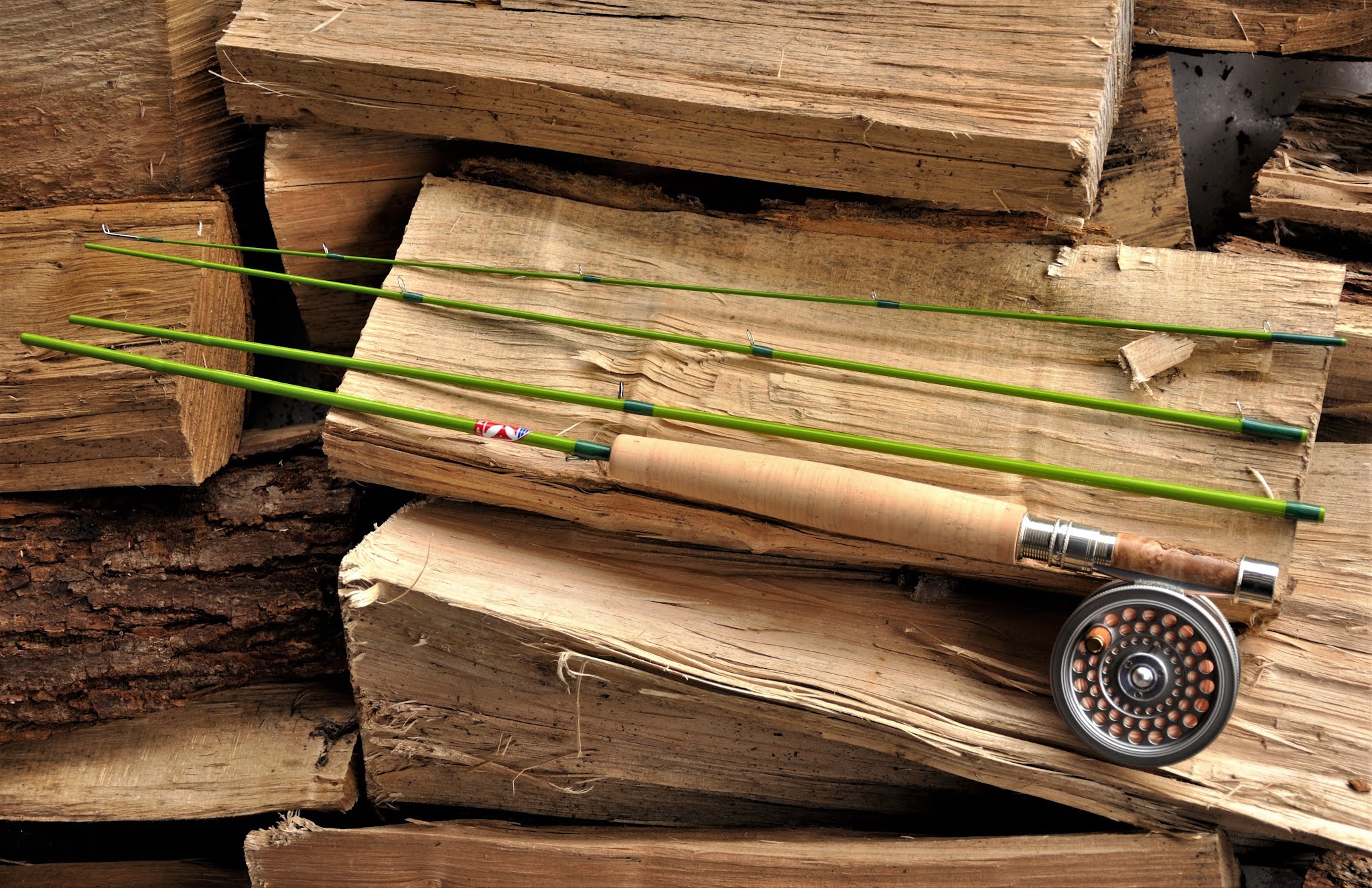
Epic, with a 370-4 and 476-5 Packlight, which while not truly custom, allowed me to pick my blank color (Olive and Salsa, respectively) as well as my grip and reel seat, which in both
cases were black uplocking with cork spacers. This is not the case
with most mainstream fly rod companies today where you get what everyone
else does.
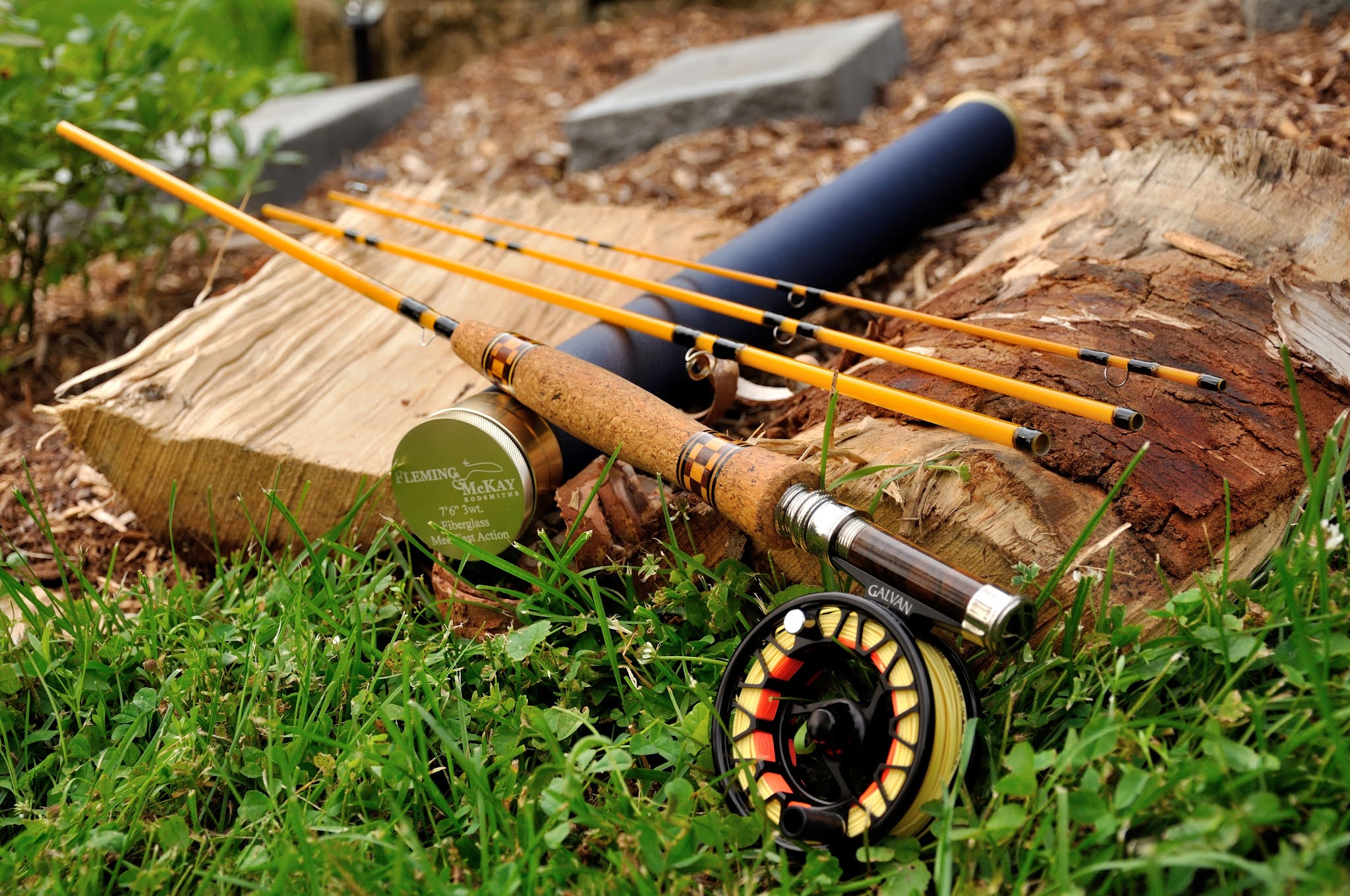
A year later, I turned to Marty Romeo of
Deep Bend Rodworks, to address a niche no one else seemed able to. Marty built me and a
friend custom 5-foot 2-weight
rods on
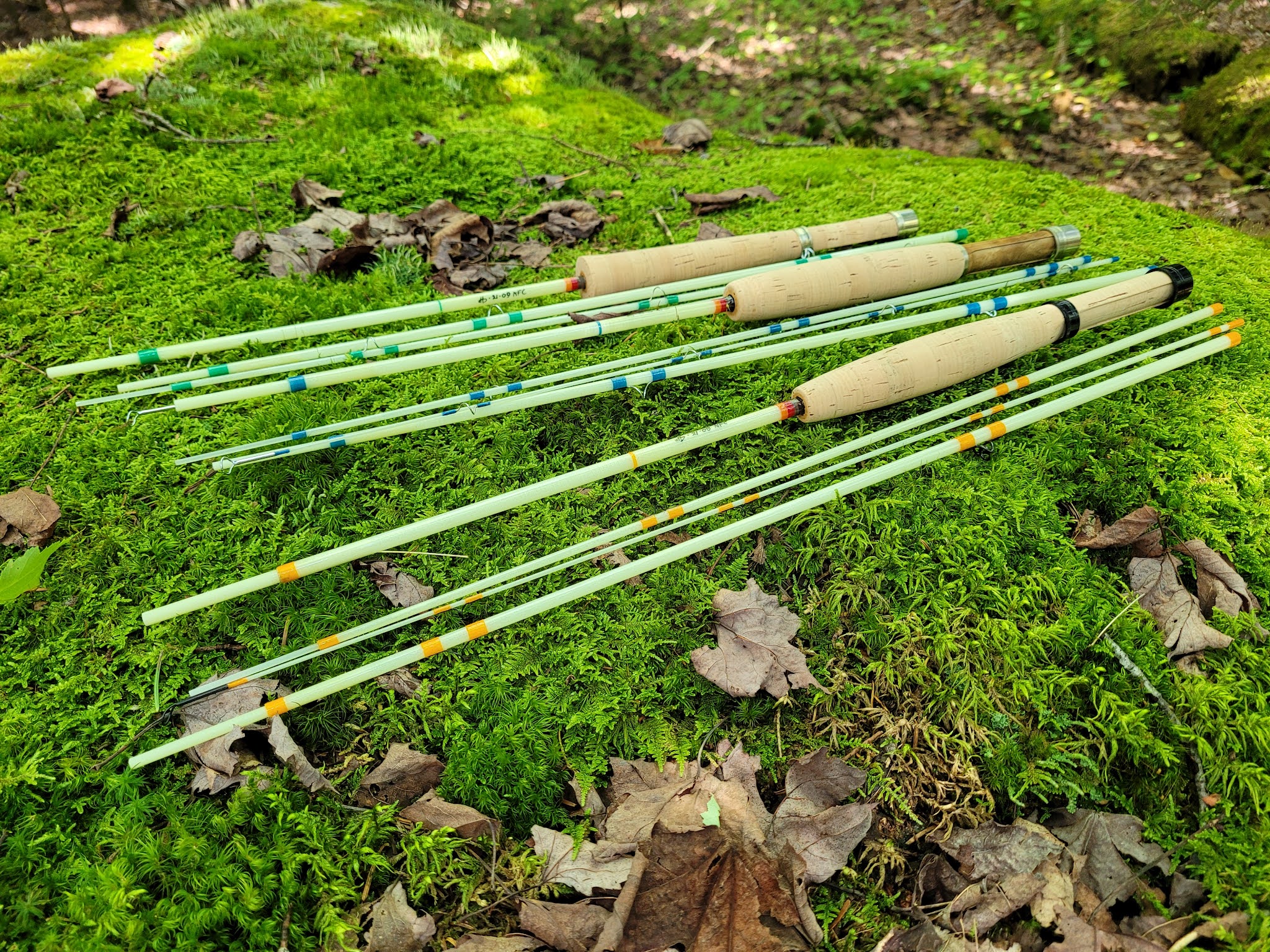
McFarland Rods blanks for use in tiny streams. Both ice-colored
blanks, mine featured a small half wells grip, gunmetal cap and ring reel
seat with wood spacer, gunmetal guides, and burnt orange wraps. The
other had a small western grip, nickel reel seat with a blue dyed wood
spacer, silver guides, a blue agate stripper, and matching blue wraps.
As part of an ongoing personal evolution that places a higher value on wild
native fish and natural intact ecosystems, than it does big fish, nonnative
and stocked fish, and artificial or highly altered habitats, I’ve moved from
big rivers to small streams. It’s the place where the sport is at its purest. This in turn facilitated a move from graphite to
glass.
As a result of changing weather patterns, and previously
rare-to-the-northeast droughts, I am having to go further upstream to find
fish than I did just five or so years ago, and in some cases, notably
so. This has forced some tackle changes, such as swapping my fanny pack
for a day pack so I can carry more water, a snack, and my wading
boots.
What used to be multi-hour truck-to-truck excursions within a relatively
short walk of the road, turned into park-hike-and-fish outings that started
with a 15- to 30-minute hike, followed by a short bushwack to the
water. Soon I found myself hiking 30-minutes, and even an hour or
more. But the strategy paid off, and I am finding fish regularly after
busting on some of my old haunts.
While I have a 6.5-foot 3-weight 4-piece graphite/glass hybrid rod from
JP Ross Fly Rods & Company given to me by my fellow native fish advocates at
Trout Power, and the aforementioned 7-foot 3-weight 4-piece and 7.5-foot 4-weight
5-piece rods, I wanted something shorter and lighter for use in the upper
reaches of the small headwater streams I was now fishing.
One of my small stream workhorses is a 6-foot 2-weight
Scott Fly Rod Company F2 glass
rod. The first modern premium glass fly rod I ever bought, it is
unfortunately a 3-piece, and does not fit well in my daypack. I wanted
a 6-foot, 2-weight, 4-piece rod that would fit into the side of my day pack
to give me another option.
COVID-driven product shortages in what was already a very lean market,
anything shorter than 7-feet is considered a niche product and ignored by
many rod makers, forced me to go the custom route again, and I’m glad it
did.
When I first decided to pull the trigger, two friends, both fellow
Native Fish Coalition
board members, said they were also interested in getting a short, light,
multi-piece glass rod for situations similar to what I was trying to
address.
The situation led me back to Marty Romeo at Deep Bend Rodworks, who I have
kept in touch with since he built my earlier rod. Marty had recently
donated a custom rod to NFC for fund-raising, which after several months of
moving through the USPS quagmire, arrived at my house as nothing but an
empty cardboard tube that showed evidence of having been tampered
with.
In addition to the general configuration, an insistence that the blank be
ice-colored, and the fact that I was already in possession of a relatively
fast, by glass standards, 6-foot 2-weight S-glass rod, I wanted a slow
E-glass model. Thus, began what turned out to be a month’s long
search, with a couple of false starts, to find the type of blank we were
looking for.
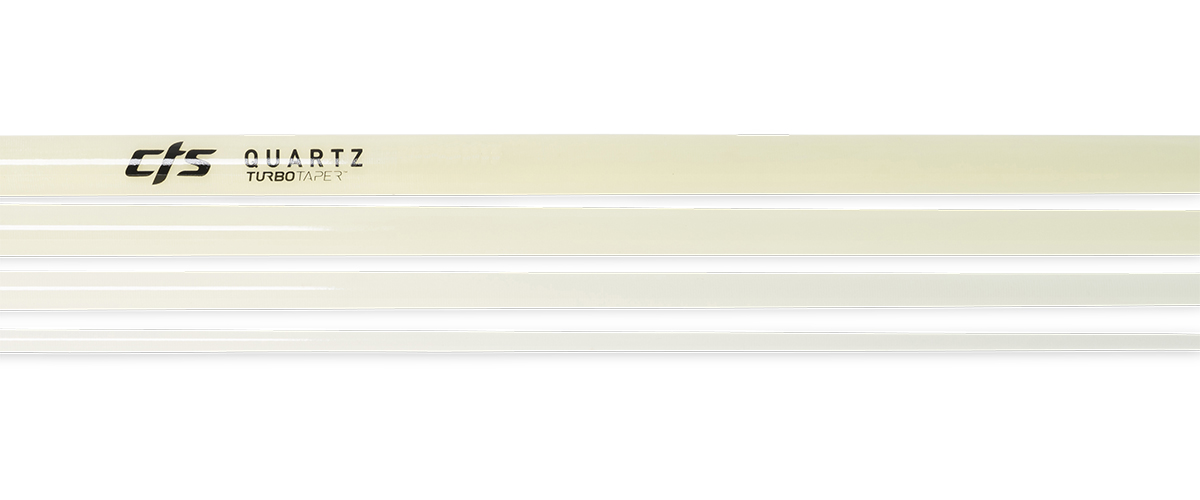
Our search ended at
Blue Heron Custom Rods out of Japan. The extremely light, very slow, internal ferrule blank
turned out to be exactly what we were looking for. Next up were the
accoutrements, something we all wanted to personalize, and address to our
own specifications. In all cases, we each choose something
different.
I wanted a compact modern-looking straight-line half wells grip, partly for
aesthetic reasons and partly due to a chronically arthritic hand from years
of gripping a fly rod, while one friend wanted a small western grip, and the
other a compact cigar grip. Two of us wanted cork spacers, and one
wanted wood. We all wanted classic cap-and-ring reel seats, mine and
one other in nickel, and the other in
black.
Guides were chosen to match the reel seats: Silver on silver and black on
black. Next up were wrappings... I wanted blue/green, one friend
wanted blue, and the other wanted orange. And Marty surprised us with
3-tone decorative wraps in our primary NFC colors just above the wrapping
check.
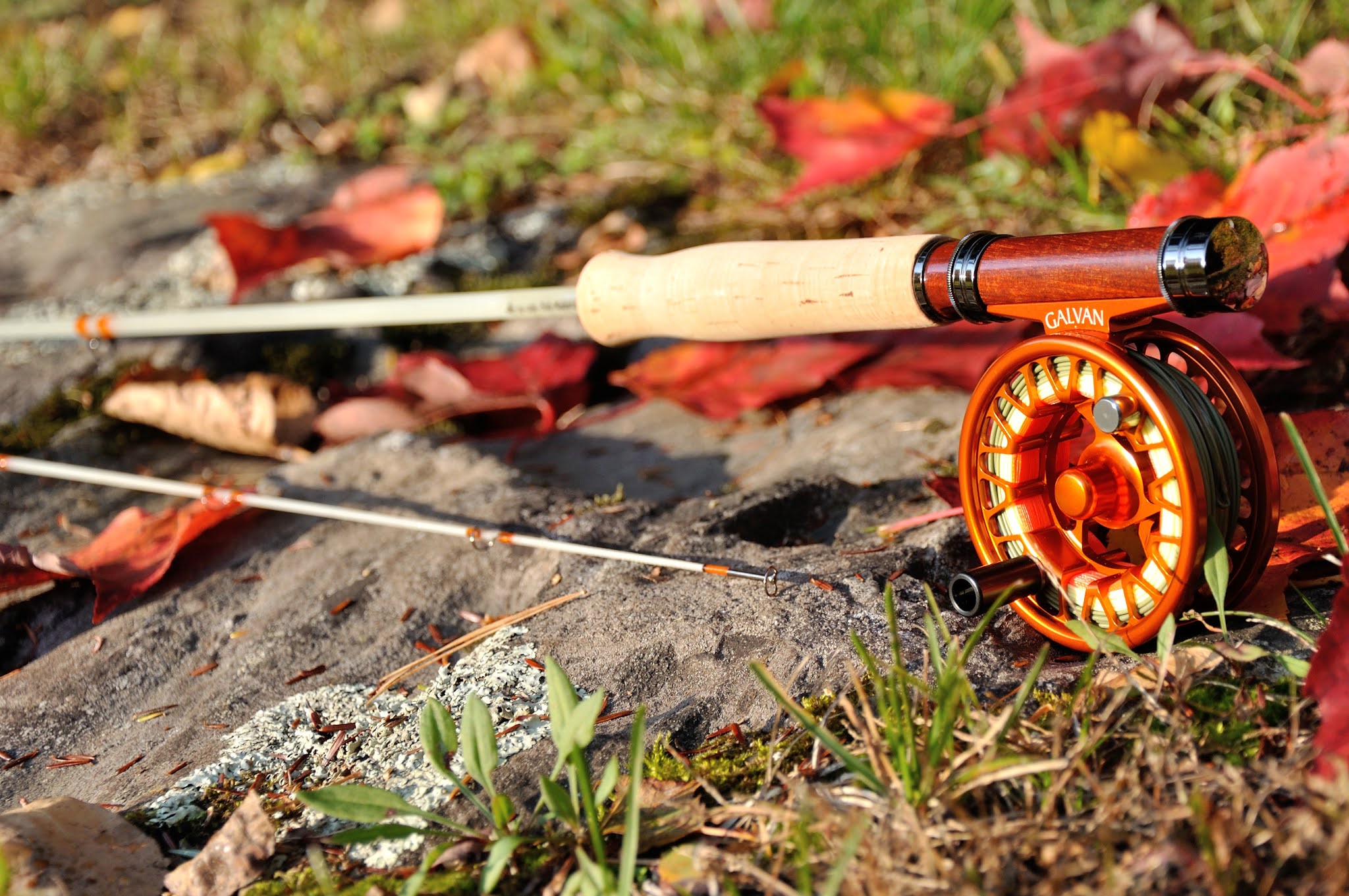
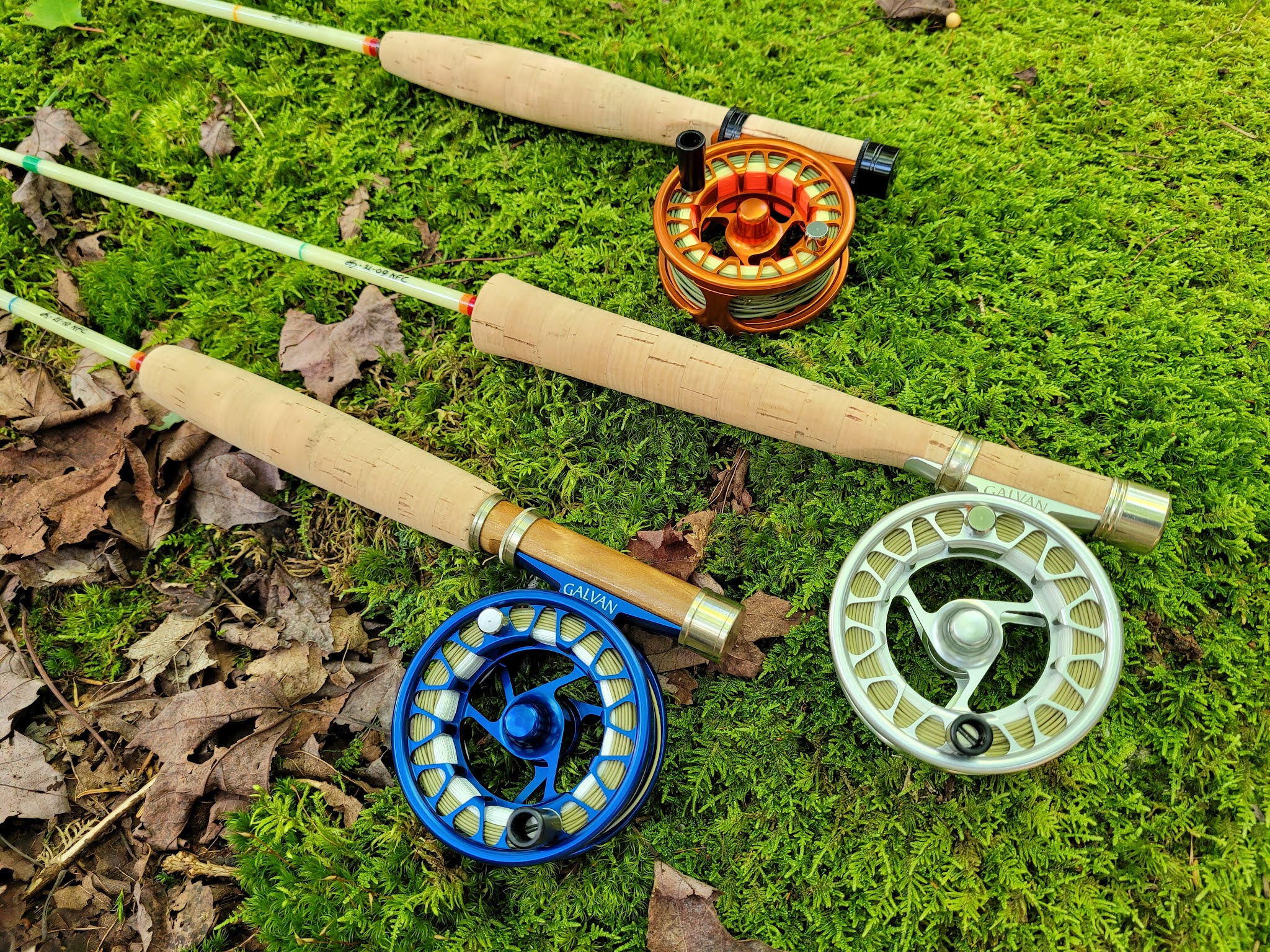
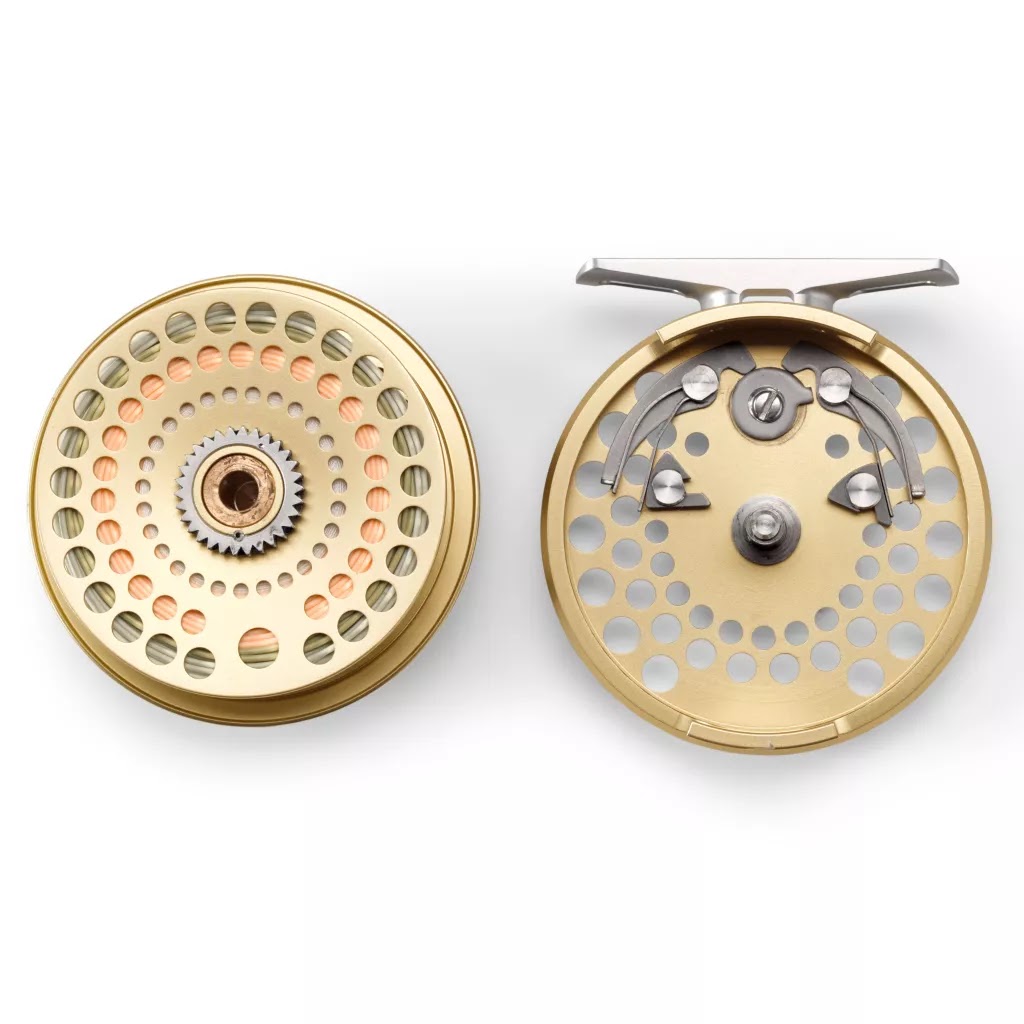
We needed new reels to go with our rods. And each of us wanted
something colored to match the rod. I wanted silver to match the seat
and guides, and the others wanted colors that matched the wrappings.
Considering the light physical weight of the rods, and a desire to keep them
that way, as well as something that would balance them properly, we chose
Galvan Fly Reels Brookie B 2-3 reels.
While the wait was killing us, and the all-too-short New England small
stream season was slipping away, the rods arrived in time to get them on the
water. I took mine to the White Mountains region of New Hampshire,
where I field-tested it on the all-too-rare small roadside stream that still
has a robust wild native brook trout population. After getting used to
the very slow action, the rod cast flawlessly and effortlessly.
A few days later, I stuffed the rod, housed in a custom reel-on rod case
from
Mountain Cork, into the side of my daypack, and hiked one hour into the headwaters of
one of my favorite wild native brook trout streams. When we got to the
water, we stashed a couple of tall IPA’s in the cold mountain stream, and
hiked another half hour before pushing through the woods and back into the
stream.
We swapped our hiking boots for wading boots, ate a quick snack, pulled out
our gear lanyards, put on sun gloves to protect our hands from the
ever-present mosquitoes, rigged up, lit cigars, and began what would be over
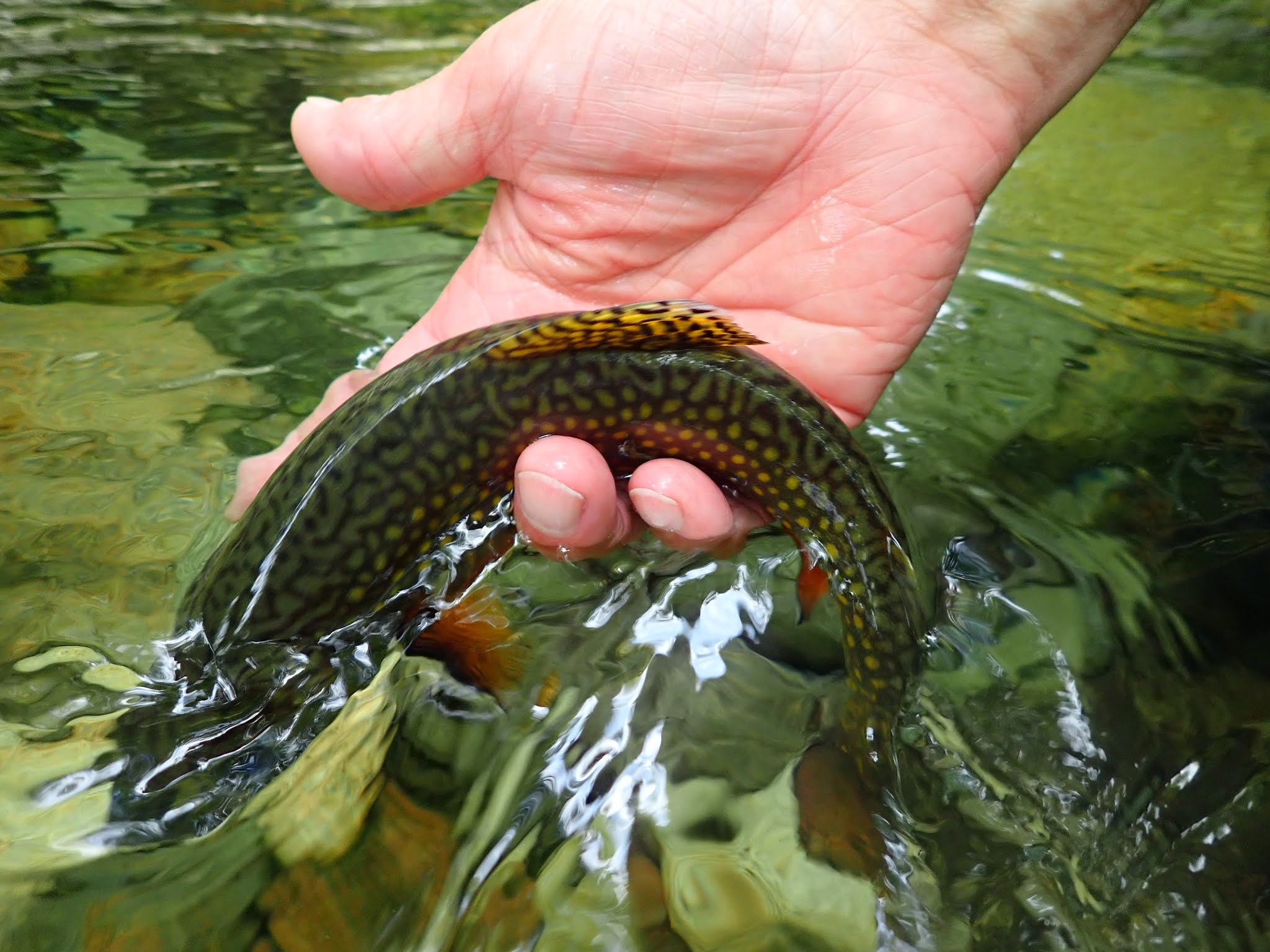
three hours of epic small stream fishing for wild native brook trout, with
several fish nearing 10 inches landed, and many smaller ones to
hand.
When we reached the take-out, we collected our cold beers, and sat down to
eat a sandwich. When we were done, we fished around the general area a
bit, trying, and unsuccessfully, to coax an oddly large fish we had spotted
to take a fly. After giving up, we changed back into our hiking boots
and pushed back down the trail to the truck.

My new have-it-your-way fly rod proved to be exactly what I was looking
for. It excelled on short, precise casts in tight quarters, reached
out when I needed to, didn’t overpower the small fish, and was short enough
to keep out of the low-hanging branches. We addressed something the
industry has not fully embraced - short light-line fly rods for small
Eastern freestone streams where the wild native brookies rarely reach
eight-inches…
BOB MALLARD
is the Executive Director for
Native Fish Coalition. Look for his books,
50 Best Places Fly Fishing the Northeast
Squaretail: The Definitive Guide to Brook Trout and Where to Find
Them
Favorite Flies for Maine: 50 Essential Patterns from Local Experts