I'll be the first to admit that this review has taken longer than it should have since I have been holding on to the entire series of the
Cabela's C.G.R. fiberglass fly rods for whats going on months now.
The other side of it is that spending time on the water and casting each fly rod with several different fly lines does take time and it has certainly given me an opportunity to get a good feel for what each fly rod is about.
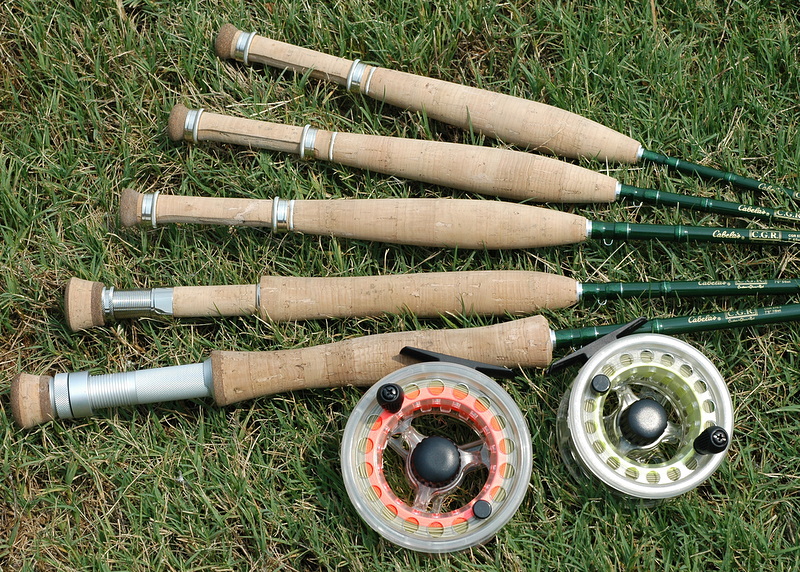
Last week I planned a morning off from work and spent it in the front yard with the five
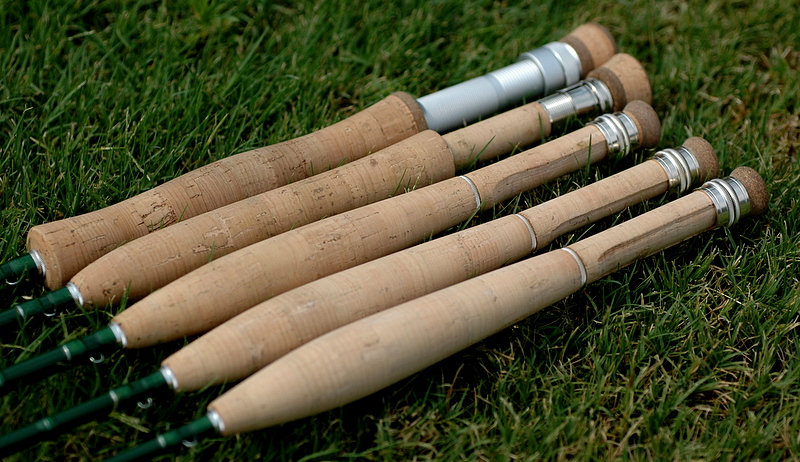
C.G.R. Series fly rods, a stack of
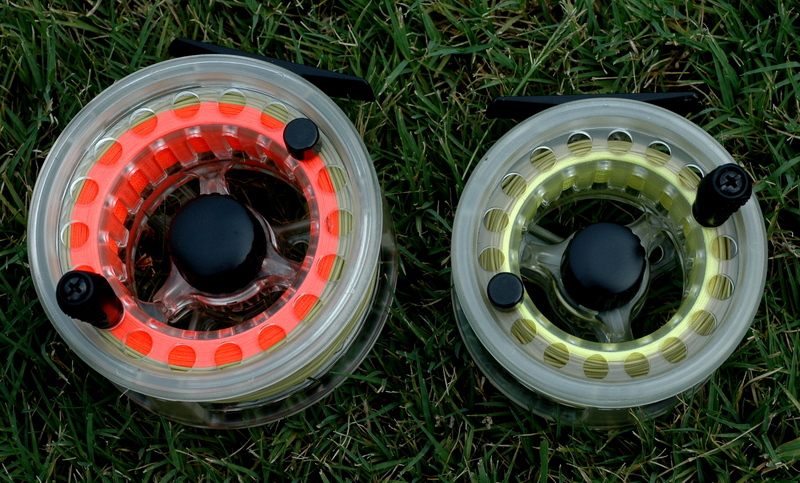
Hook & Hackle fly lines, and two
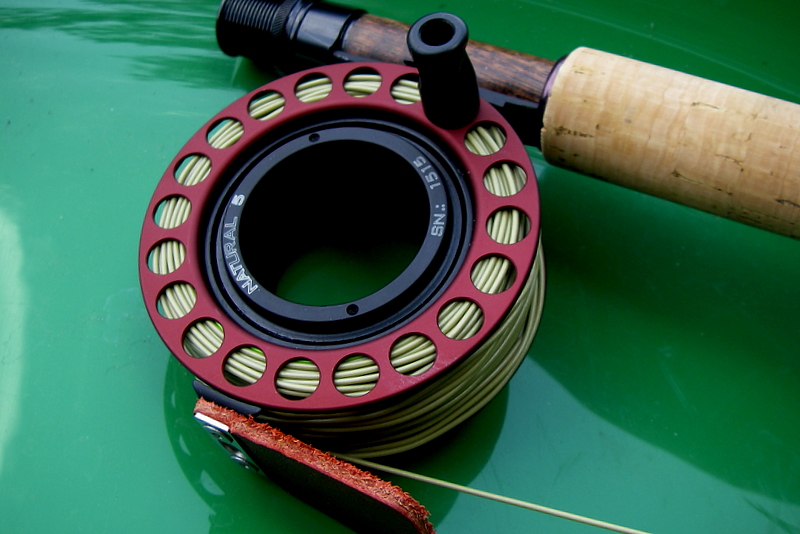
LOOP fly reels.
I enjoyed a couple hours snapping photos and casting each fly rod with different fly lines to confirm what I liked best and it was a good way to wrap up this long term review.
THE FLY REELS
When thinking about fly reels to use for this review I really wanted something versatile that would be easy to switch out fly lines on, not a budget breaker, and would look cool in photographs as well. I had been wanting a set of the now discontinued
LOOP CLWC fly reels and this seemed like as good of an excuse as any to pick them up for the review.
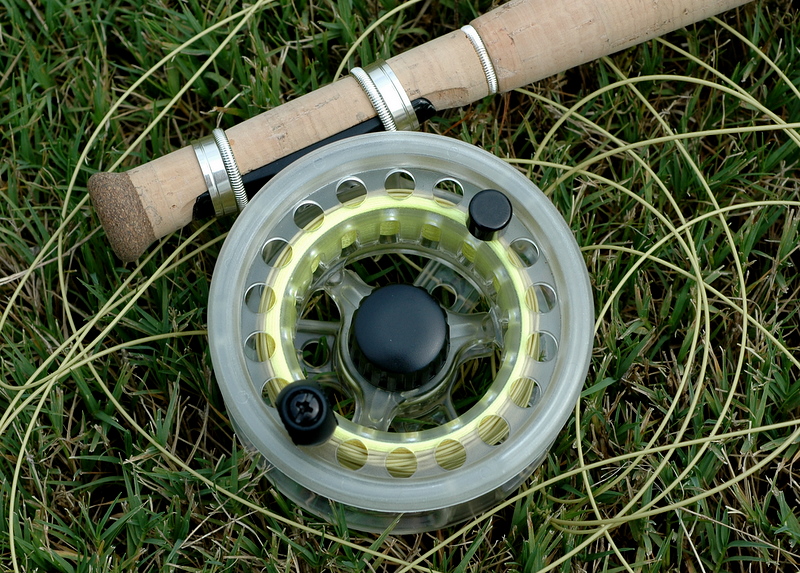
The
LOOP CLWC fly reels are made of clear resin, are certainly different looking, function great, and balanced each of these fly rods nicely. The CLWC fly reels are priced around $125 each if you can find them in stock.
At last check
Castaway Fly Fishing Shop still had a few left in each size.
THE FLY LINES
As this review was coming together I figured that most people reading T.F.M. likely use weight forward fly lines and decided in order to keep this review simple to use these type of fly lines throughout the casting evaluation.
I also wanted to use the same brand of fly line across the entire review since it would be hard to feel the differences that a fly line weight would make when casting each fly rod in this series if it wasn't similar in all respects besides a line weight rating up or down.
Hook & Hackle was gracious to send a few
Hi-Floater fly lines which filled in the gaps in between what I already had in their weight forward fly lines in my gear stash already.
I chose the
Hi-Floater fly lines since they are an exceptional value (especially when on sale), durable, and generally cast great on fiberglass fly rods.
THE C.G.R. SERIES
As the rumors began circulating early last year about
Cabela's reintroduction of fiberglass back into their line up, I was able to get in contact with Joe Wolthuis who was a big help in filling me in on the upcoming series, emailing me a few sneak peaks as the rods went from prototype to production, and then handed me one of the
C.G.R. four weights at
IFTD last September to give me the first complete look at the upcoming series.
The
C.G.R. Series is made up of five fly rods ranging from a 5'9" three weight to a 7'6" 7/8 weight. Each fly rod in this series comes in three sections and are priced at $100 each. E-glass blank construction, solid components, a cordura covered rod tube, and a one year warranty all complete this fly rod offering.
Where some who produce what would be considered a very reasonably priced fly rod (let alone fiberglass) would have slapped a generic low grade cork grip, reel seat, and hardware on a fly rod blank,
Cabela's went the opposite way and put quite a bit of time in creating this series fly rod by fly rod.
The lightweight models are slender gripped and feel like a three, four, and five weight should. The 5/6 weight has a fighting butt and it's obviously capable of getting work done. The 7/8 weight comes with a full wells grip that isn't overly pronounced, feels good in your hand, and the aluminum hardware is a great match in this powerful fly rod.
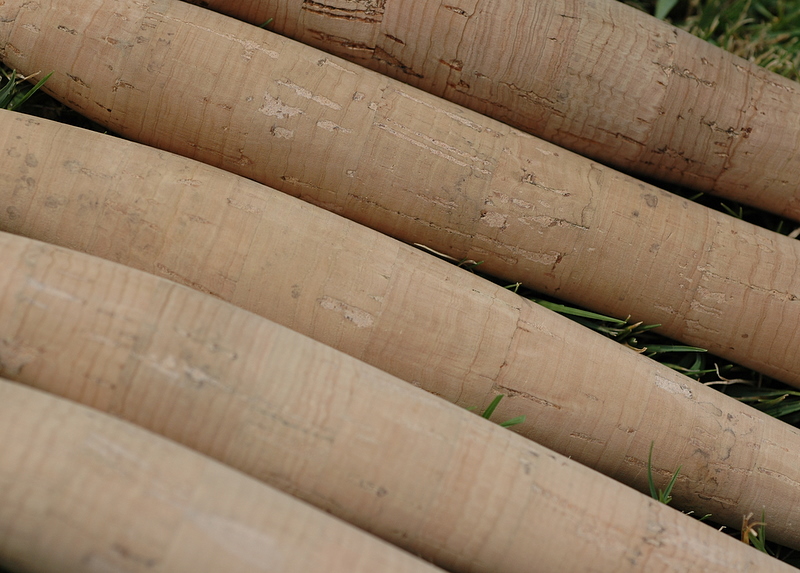
The quality of the cork used on this series is pretty decent with some filler visible on each of the test rods I was sent. It will be interesting to see how the cork holds up over time but all in all no complaints.
For whatever reason the quality of the cork in the three, four, and five weight fly rods feels just a bit nicer with less filler over the 5/6 and 7/8 weight models but maybe that's just because I've spent most of my time with the 5/6 and 7/8 fly rods on the water this spring and they are the most soiled.
My only real exception with the
C.G.R. Series fly rods is that for whatever reason
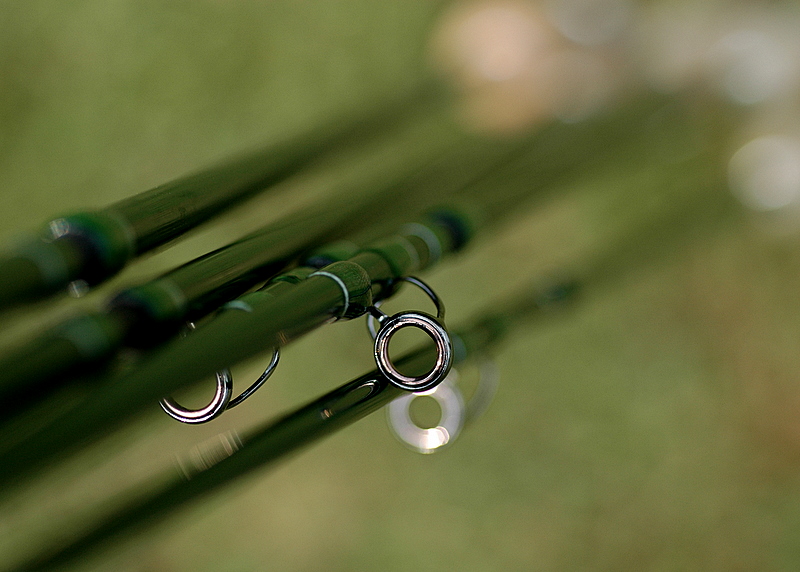
Cabela's decided to have them all made with the same size stripping guides.
The three, four, and even the 4/5 weight fly rods could have used this size stripping guide but in my mind the 5/6 weight and 7/8 weight models should have been built with a larger stripping guide.
This certainly should not be a deal breaker in considering a purchase of one of these fly rods but if you have the skills to replace the stripping guide on the 5/6 weight or 7/8 weight models I think it would increase the performance of those fly rods quite a bit.
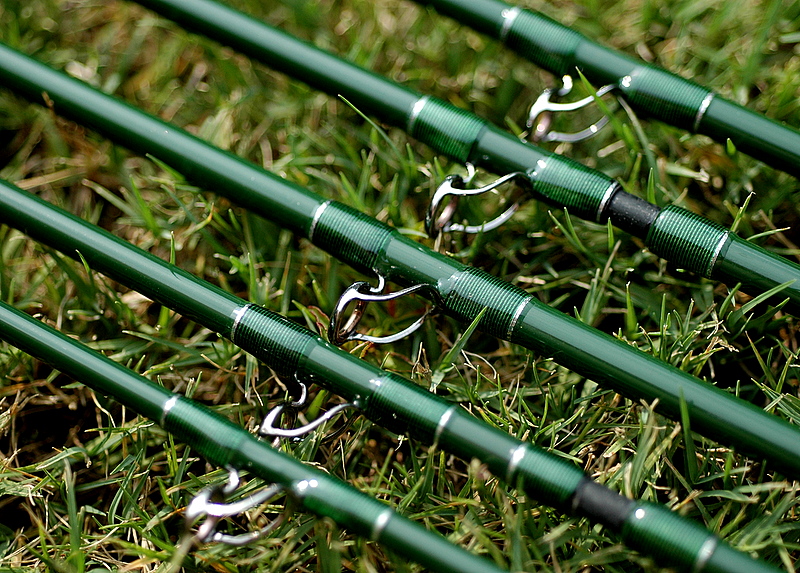
With having the entire series to look over and compare side by side, I am really impressed with the guide wrap quality and epoxy work done. For a mass produced fly rod they all look very good with no bumps or sharp spots where a piece of thread was left sticking out.
I also happen to really like the dark green blank color matched with the black over green wraps and silver tipping. These are details that you'd not necessarily expect on a fly rod with a $100 price tag.
The spigot ferrule fit across the entire series is appropriately tight with correct spacing between the fly rod sections. I like the spigot ferrules and it's a neat feature of these fly rods.
CASTING NOTES
Having spent time on the water and in the yard with each model has helped decipher the strengths in each of these fly rods.
It is interesting to me that someone could pick two or three fly rods from this series and effectively fish just about any type of water they wanted to from exploring hidden blue lines, to hucking streamers from the bow of a drift boat, to working a top water popper around the lily pads on a pond. All of this is possible without having to break the piggy bank in the process.
Overall I've found that while you might not air out an entire fly line with any of these fly rods that they are effective tools in close and at typical casting ranges. These fly rods have a progressive taper with a tip that is not to soft and a butt section that makes these great fish fighting tools.
Below are few individual notes on each fly rod model. Overall I liked each of the split weight fly rods with the heavier fly line since they loaded easier, I was able to get more distance when casting, and they turned over larger flies with less effort.
5'9" Three Weight - This little three weight would be as happy catching native brook trout or cutthroat on a small stream as it would be casting foam spiders on a farm pond for bluegill. It roll casts nicely as well for close quarters situations.
I was able to get surprising casting distance out of this sub six foot fly rod and certainly more than you'd ever need to on most step across creeks where you'd likely be taking this little three weight.
6'6" Four Weight - This four weight would be a very decent all around light trout rod which is happiest casting dry flies, swinging soft hackles, and small nymph setups. It can likely do more but this is what it will do best in my mind.
7' 4/5 Weight - This dual line model has two different personalities. With a four weight fly line it felt delicate but with a five weight fly line it felt much more powerful. If technical presentations were needed I'd recommend lining it with a four weight fly line and if you were planning on using larger flies, even up to bulky hopper and stimulator patterns, then I'd recommend the five weight fly line. A great all around fly rod that I wouldn't be afraid to take on larger waters as well.
7'6" 5/6 Weight - This is the lightweight workhorse of the line up and again if you're looking for lighter presentations then go with a five weight fly line but if you're needing to turn over larger flies or load the fly rod easier than jump up to the six weight fly line.
This fly rod can do big dry flies, streamers, and nymph work with relative ease.
7'6" 7/8 Weight - With a seven weight fly line this fly rod performed great casting medium size warmwater flies but really excelled with larger flies and creating distance on the casts with an eight weight line.
This is an excellent all around warmwater fly rod to use in a kayak and I wouldn't be afraid to take it along on a salt trip if needed.
In summary this entire series is a heck of a value for the price, quite a bit of fun to fish, and
Cabela's got it right on a lot of levels. I like that they didn't offer up a watered down fly rod series just to say that they had a commemorative fiberglass fly rod available for order.
This was a smartly designed series borrowing old school fly rod lengths and upgrading the material and components used to create a very usable fly rod series which will appeal to dedicated "Glass Geeks" and our graphite waving (but curious) brethren alike.